

Story of Mohair
MOHAIR MAKES YOUR WINTER SOFTER!
A bit of history
Mohair comes from the fleece of the Angora goat, native to the Ankara region of Turkey. This natural fibre is renowned for its softness, warmth (great thermal insulation despite its lightness) and incomparable shine.
Since ancient times, it has been reserved for high-quality fabrics. Over time, expertise in its production has spread throughout the world, particularly in South Africa and Europe, with French production developing since the 20th century in the Massif Central, Drôme, Ardèche and Limousin regions. Although small-scale, it is synonymous with tradition and quality. The processing of mohair woolMohair is a living, natural fibre that must undergo several stages after the goats are sheared twice a year to become the wool, clothing and accessories that we know and love.
1/ Sorting the fleeces
After several seasons of growth, the mohair is harvested by shearing and then sorted by hand by professionals to remove plant debris and other contaminants that could alter the quality of the wool, but also to create batches according to the fineness of the fibres and their different uses. For example, mohair intended for textiles must be less than 36 microns in diameter.
2/ Washing
The mohair is washed to remove any remaining dirt, cut hair and grease (a natural oil produced by the animal).
3/ Carding and combing The purpose of these operations is to detangle the mohair, much like brushing your hair, so that the fibres are parallel before spinning. Carding involves passing the mohair between rollers covered with fine steel pins. Combing is used on mohair because it is a very fine fibre, which in turn produces very fine yarns.
4/ Spinning The production of different yarns according to their intended use (pure mohair yarn or combined with silk for knitting, bouclé yarns for weaving).
5/ DyeingThis takes place either before or after weaving or knitting, and any colour can be produced.
6/ Weaving and knittingDepending on the desired product, the yarns will be woven (stoles, scarves, blankets, throws) or knitted (gloves, socks, jumpers).
7/ Fibre bursting (fulling and carding)This only applies to woven items. This essential step brings out the fibres and gives mohair its renowned warmth, softness and volume.
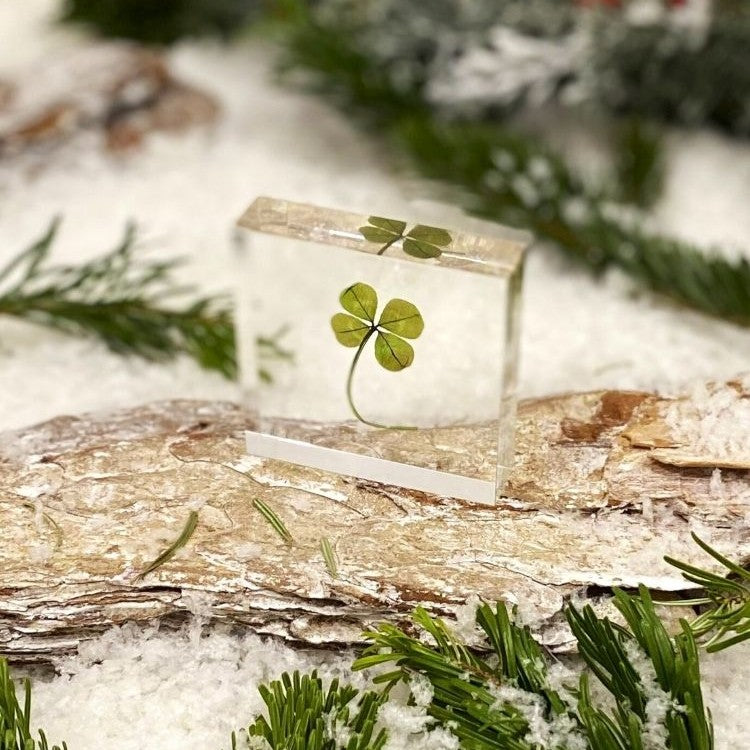
HISTOIRES FRANCAISES wishes you a very happy 2026! A whole year to continue discovering, supporting and promoting the best of sustainable French design and craftsmanship.
Read more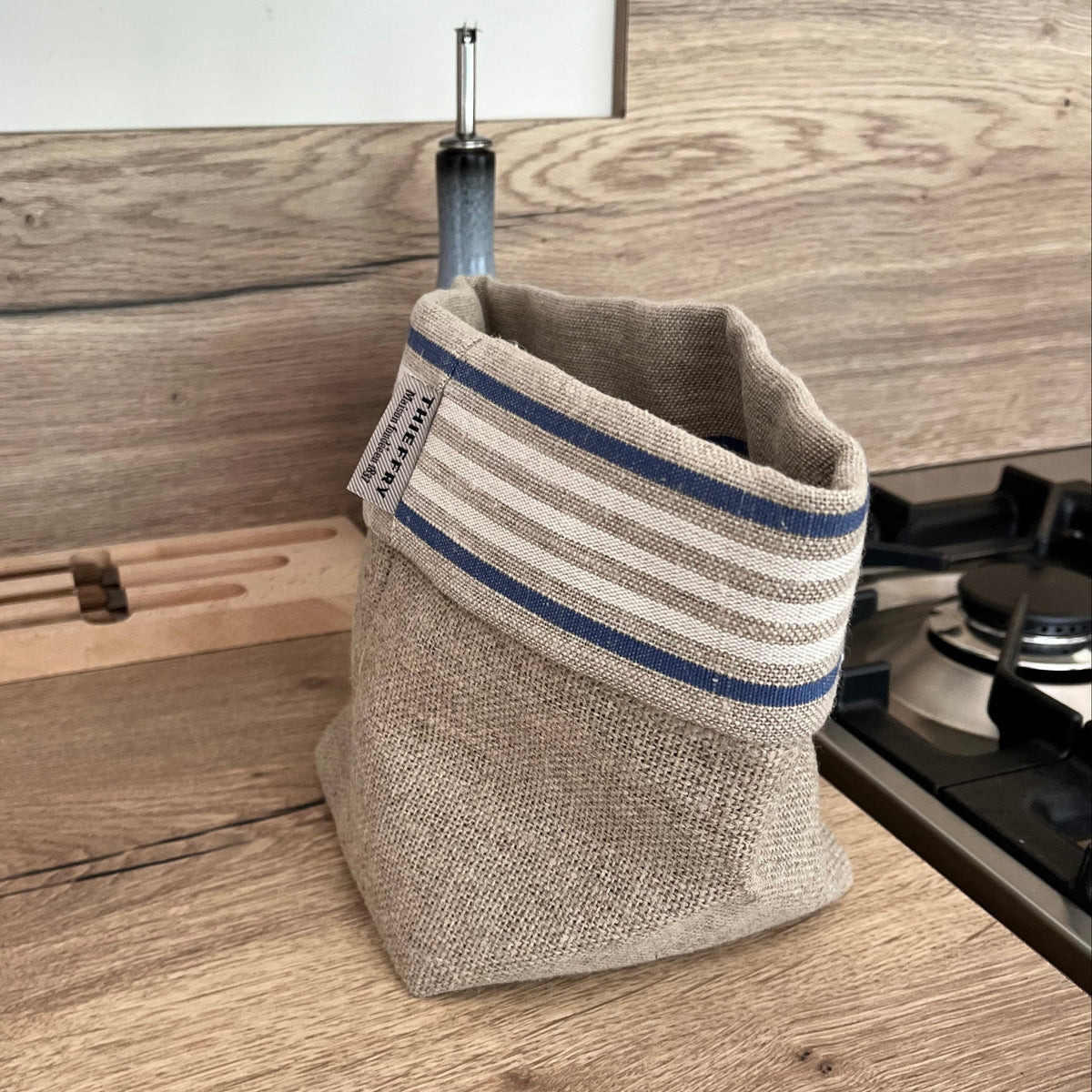
THIEFFRY Frères Joins the HISTOIRES FRANÇAISES Collections: French Home Textiles Blending Tradition and Elegance. At HISTOIRES FRANÇAISES, every new brand we welcome tells a story. A story of pass...
Read more